Sex work merchandise isn’t just about T-shirts or stickers-it’s a quiet form of expression, resistance, and community building. From handmade pins to limited-run zines, these items carry meaning beyond aesthetics. People who work in sex work, or support it, use merchandise to reclaim narratives, fund their livelihoods, or simply say, ‘I’m here, and I’m not ashamed.’ Across the globe, creators are turning personal stories into wearable art, and the results are powerful.
Some of the most striking pieces come from collectives in Europe, where activism and aesthetics blend. If you’ve ever wondered how sex workers in Paris organize their visibility, you might come across escort girl paris-a grassroots network that shares resources, safety tips, and sometimes, merch drops tied to local events. These aren’t just ads. They’re acts of solidarity.
What Makes Sex Work Merchandise Different?
Unlike corporate-branded gear, sex work merchandise is often made by the people who use it. There’s no middleman. No corporate logo. No diluted message. A sticker that says ‘My Body, My Choice’ might be screen-printed in someone’s kitchen. A hoodie with the phrase ‘Not a Crime, Just a Job’ could be sewn in a basement studio in Mexico City. These aren’t mass-produced. They’re made with intention.
The materials matter too. Many creators use organic cotton, recycled fabrics, or non-toxic inks. Why? Because the same people who wear these items are often the ones fighting for safer working conditions, better healthcare access, and legal protections. The merchandise becomes an extension of that advocacy.
Top Merchandise Trends Around the World
Here’s what’s actually selling-and why.
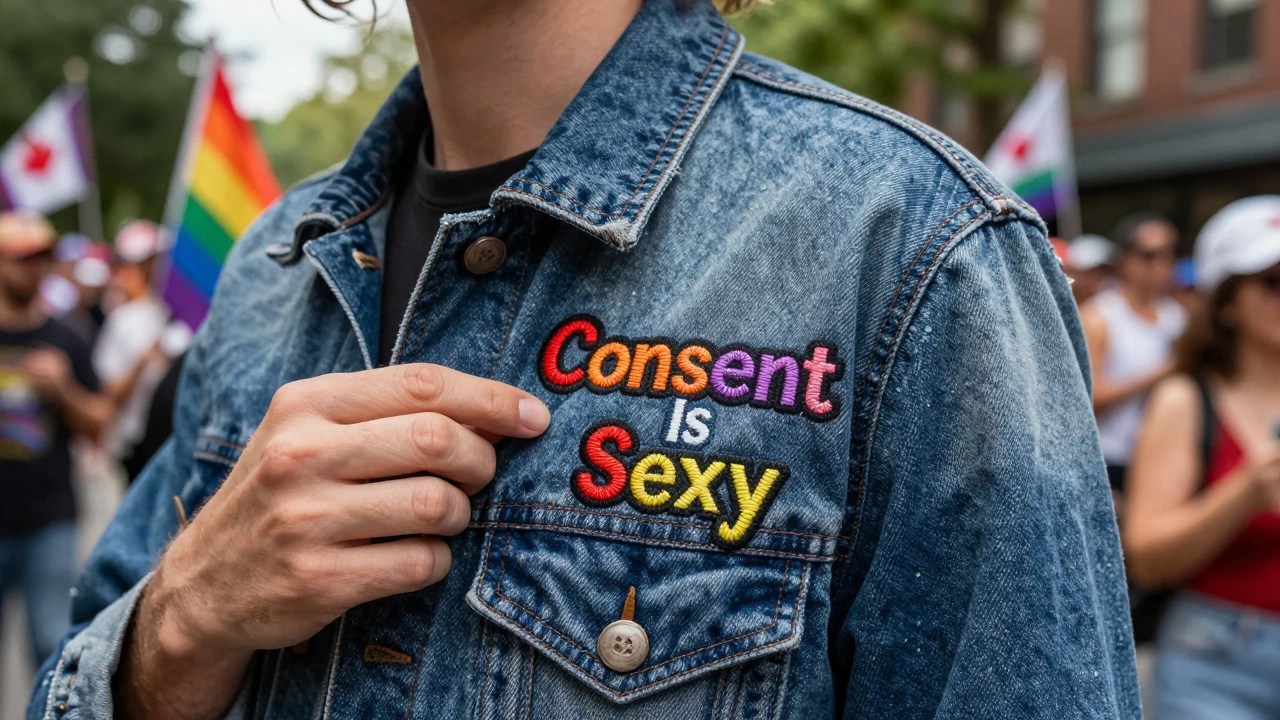
- Canada: Hand-embroidered patches with phrases like ‘Consent Is Sexy’ and ‘Decriminalize Sex Work’ are popular at queer festivals and underground markets. Many artists sell them at Pride events or through Instagram shops.
- Germany: Zines printed in small runs, featuring personal essays, poetry, and illustrations from sex workers. These are traded at book fairs and distributed in community centers. One Berlin-based collective printed 500 copies of ‘Sex Work Isn’t Shame’ last year-all gone in three weeks.
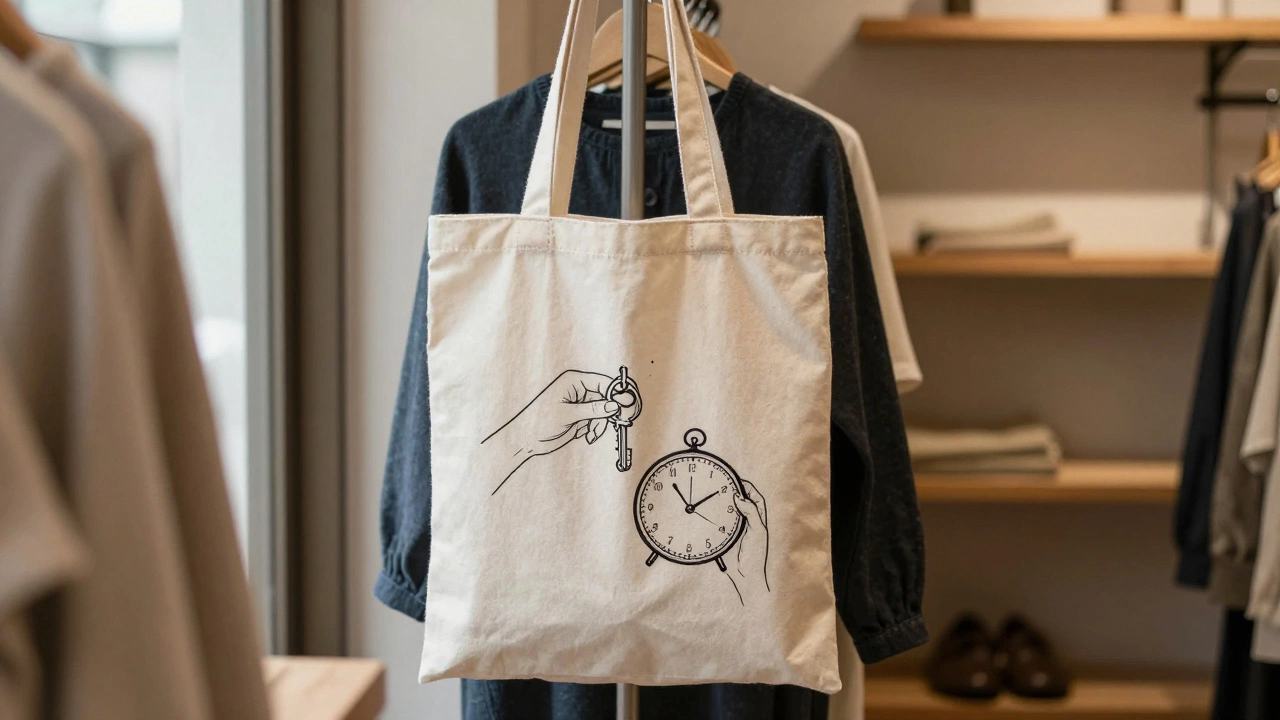
- Japan: Subtle, minimalist designs. Think delicate line drawings of hands holding keys or clocks. These pieces avoid direct language but carry deep cultural meaning. They’re often sold in niche boutiques in Osaka and Tokyo.
- Brazil: Bright, bold stenciled shirts with slogans in Portuguese. Some feature portraits of famous activists like Duda Salabert. Sales fund legal aid for trans sex workers in São Paulo.
- United States: Custom enamel pins, often sold in sets. ‘I’m Not Your Fantasy’ and ‘Sex Worker & Proud’ are top sellers. Many artists partner with mutual aid funds to donate a portion of proceeds.
What ties them all together? Autonomy. Each piece is a declaration: this is my truth, and I’m sharing it on my terms.
Why ‘Escort Paris’ and ‘Esxort Paris’ Show Up in Searches
You might stumble across searches like ‘escort firl paris’ or ‘esxort paris’ while browsing online. These aren’t just typos-they’re reflections of how people search when they’re looking for real, human connections, not just services. Many users are trying to find stories, not just listings. They want to understand who these people are, what they’re fighting for, and how they’re surviving.
That’s why some sex workers in Paris now sell merchandise alongside their profiles. A simple pin with ‘Je suis une travailleuse du sexe’ (I am a sex worker) becomes a quiet identifier. It signals safety to others in the community. It tells allies they’re visible. It’s not about clicks. It’s about belonging.

How to Support Ethical Sex Work Merchandise
Not all merch is created equal. Here’s how to spot the real stuff:
- Check the creator’s bio. Are they a sex worker? Do they say so clearly? If the shop is run by a third-party vendor with no connection to the community, walk away.
- Look for transparency. Do they say where profits go? Some shops fund housing, legal fees, or harm reduction supplies. Others just make money off trauma. Know the difference.
- Follow the hashtags. #SexWorkIsWork, #DecriminalizeSexWork, #SexWorkerOwned-these tags lead to authentic creators. Avoid shops that use only #NSFW or #AdultContent.
- Buy directly. Etsy is fine if the seller is a sex worker. But even better? Find them on Instagram, Twitter, or their own website. You’re cutting out the middleman and supporting someone directly.
What to Avoid
Steer clear of anything that feels exploitative:
- Merch that sexualizes minors or uses childlike imagery
- Products made in sweatshops with no labor disclosures
- Brands that use ‘exotic’ or ‘temptress’ stereotypes
- Companies that don’t allow sex workers to speak for themselves
There’s a line between empowerment and commodification. The best merch doesn’t make you feel like a customer-it makes you feel like part of a movement.
Where to Find Authentic Pieces Right Now
Here are a few places to start your search:
- Sex Worker Collective Store (Canada) - Runs monthly drops. All proceeds go to a mutual aid fund.
- Red Umbrella Press (Germany) - Publishes zines and art books by sex workers. Ships worldwide.
- La Maison des Femmes (France) - Offers limited-edition pins and tote bags. Partners with local unions.
- Instagram Shops - Search for @sexworkermerch or @sexworkiswork. Many creators post new items weekly.
Don’t just buy something because it looks cool. Buy because it matters. Buy because it helps someone stay safe. Buy because you believe in dignity.
Why This Matters Now More Than Ever
In 2025, laws around sex work are shifting-some places decriminalizing, others cracking down harder. In the U.S., bills in states like Texas and Florida are trying to ban even the sale of sex work-related merchandise. In Europe, cities like Lyon and Berlin are expanding safe zones for street-based workers, and merch is part of that visibility.
When someone wears a shirt that says ‘I Choose This’ in public, they’re not just making a fashion statement. They’re challenging centuries of stigma. And when others buy that shirt, they’re choosing to stand with them.
Sex work merchandise isn’t about selling fantasy. It’s about selling truth. And the world is finally starting to listen.